 By Admin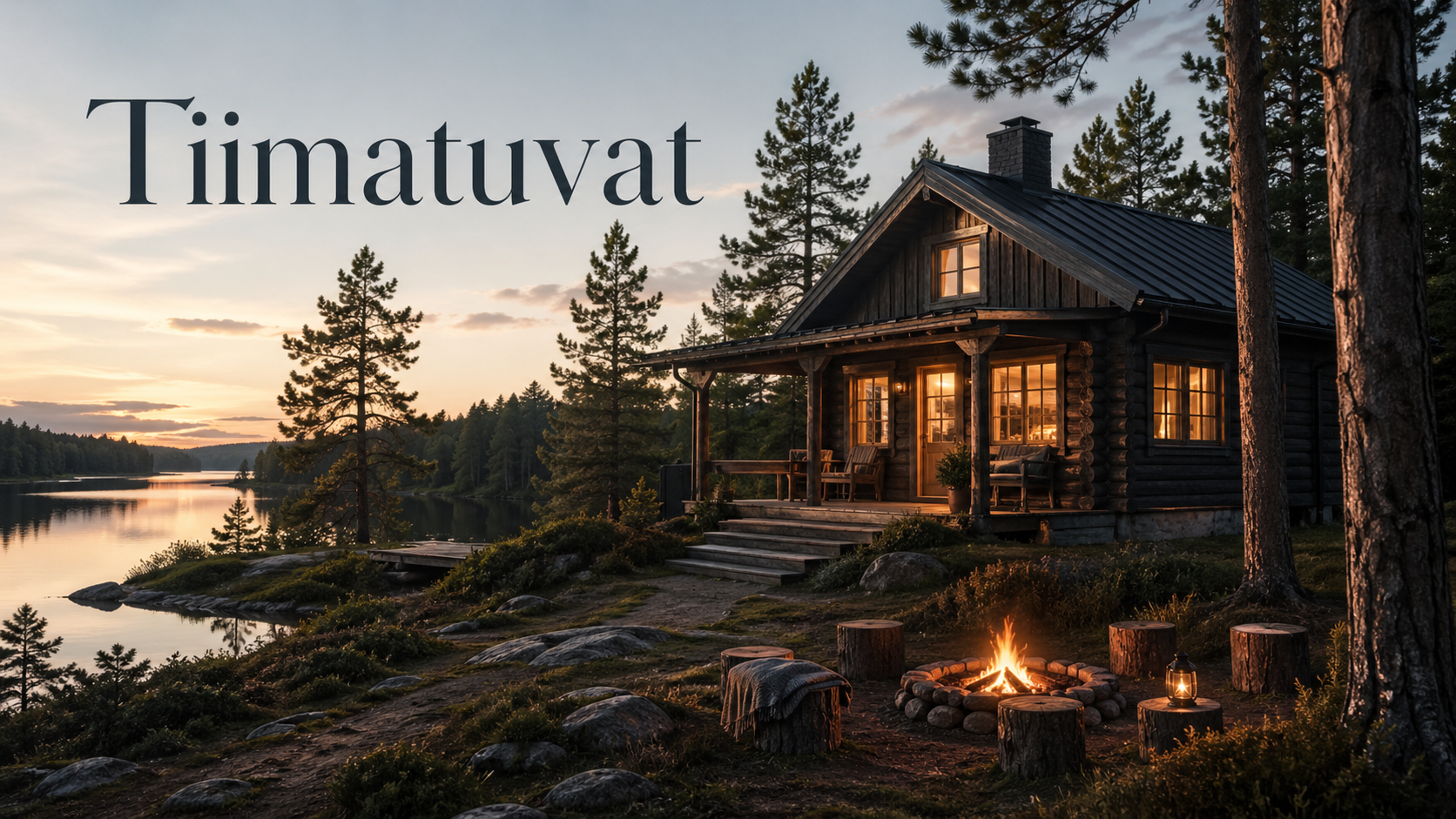
Tiimatuvat is one of those words that feels a little mysterious at first. You search it, and different websites explain it in different ways. Some connect it with Finnish-style wooden cabins. Some use it for teamwork, shared spaces, and community living. And honestly, that mix is what makes the word interesting.
Based on online research, “tiimatuvat” is often explained as the plural form of a Finnish-style shared wooden cabin or a simple community space close to nature. Some newer blogs also use it as a soft idea for cooperation, slow living, and peaceful group life. The term is not strongly verified in major dictionaries, so it should be understood as an emerging online concept rather than a fully official word.
What Is Tiimatuvat?
Tiimatuvat can be understood as simple wooden cabins or shared nature shelters inspired by Finnish living.
Think of a quiet cabin near a forest. A small fire inside. Wooden walls. Maybe a sauna nearby. People come there to rest, talk, cook, sleep, or just breathe for a while. No big luxury. No loud design. Just warmth, shelter, and calm.
In a broader sense, tiimatuvat also means a way of living where people share space with respect. You don’t take over the whole room. You leave it clean. You think about the next person. That’s the heart of it.
Why People Connect Tiimatuvat With Finland
Finland has a strong cabin and nature culture. Finnish cottage life is often linked with slow living, lake swimming, sauna, berry picking, and simple time outdoors. Visit Finland describes cottage life, or “mökkielämä,” as something connected with nature, sauna, and a softer pace of living.
Finland also has open wilderness huts where hikers can rest or stay for a short time. Official Finnish outdoor guidance says open wilderness huts are shared spaces, and people who arrive first should make room for newcomers. That small rule says a lot. It’s not just about shelter. It’s about manners.
And that is where the tiimatuvat idea becomes beautiful.
Main Features of Tiimatuvat
Tiimatuvat are usually described as peaceful, simple, and close to nature.
They are not made to impress people. They are made to help people feel safe, rested, and connected.
| Feature | What It Means | Why It Matters |
|---|---|---|
| Wooden structure | Built or inspired by natural wood cabins | Gives warmth and a natural feeling |
| Shared space | Used by families, hikers, teams, or small groups | Builds respect and cooperation |
| Simple design | No unnecessary luxury or noise | Helps people slow down |
| Nature setting | Often linked with forests, lakes, or quiet places | Reduces stress and mental noise |
| Clean-use culture | Visitors leave the space ready for others | Keeps the place useful for everyone |
| Warm atmosphere | Fire, wood, soft light, and calm surroundings | Creates comfort and belonging |
How Tiimatuvat Are Used Today
Today, people use the tiimatuvat idea in more than one way.
Some people talk about it as a real cabin experience. Others use it as a symbol for better teamwork or a more peaceful lifestyle. That may sound a little odd at first. But it makes sense.
A tiimatuvat-style space can be:
- A small forest cabin for weekend rest
- A shared hut used by hikers
- A family cottage near a lake
- A retreat space for creative people
- A teamwork model based on trust
- A cozy community room where people gather
But the feeling stays almost the same: simple space, shared care, and quiet connection.
Why Tiimatuvat Feels So Relevant Now
Life is noisy. Phones, deadlines, bills, messages, pressure… it piles up.
Tiimatuvat gives people the opposite feeling. It reminds us that comfort does not always need to be expensive. Sometimes it is just a warm room, clean air, and people who respect each other.
And maybe that’s why the word is being used more online.
People are tired of overdesigned lifestyles. They want something real. A place where nobody has to perform. A place where silence is not awkward. A place where simple food tastes better because the mood is right.
Tiimatuvat Etiquette: How to Use Shared Spaces Properly
If you ever stay in a shared cabin, hut, or nature shelter, good manners matter a lot.
Finnish wilderness hut guidance says visitors should make room for others, avoid reserving open huts for themselves, and respect quiet hours. Open huts are also meant for short stays, not long private use.
Here are simple rules that fit the tiimatuvat spirit:
- Clean before you leave
- Do not leave trash behind
- Share space if others arrive
- Keep noise low at night
- Use firewood carefully
- Replace what you use when possible
- Do not act like the whole place belongs to you
- Respect nature around the cabin
Small things, yes. But small things keep shared places alive.
Benefits of the Tiimatuvat Lifestyle
Tiimatuvat is not just about staying in a cabin. It can also change how people think.
1. It Helps You Slow Down
A simple wooden space naturally makes life feel slower.
You notice the sound of wind. You drink tea without rushing. You sleep better because there is less noise. Not always, but often.
2. It Builds Better Relationships
Shared spaces teach patience.
You learn to give others room. You talk. You cook together. You wait your turn. And sometimes, you learn more from quiet company than from long conversations.
3. It Keeps Life Simple
Tiimatuvat reminds people that comfort can be basic.
A clean bed. A warm fire. Dry clothes. Safe shelter. That’s enough for many moments.
4. It Connects People With Nature
Many tiimatuvat-style cabins are linked with forests, lakes, and hiking areas.
Nature makes people feel grounded. Even a short stay can help clear the mind.
Common Misunderstandings About Tiimatuvat
Because tiimatuvat is an emerging online term, not every explanation matches.
Some websites call it a teamwork system. Some call it a cabin tradition. Some say it is a lifestyle idea. One source even describes it as an undefined and unverified expression used mostly online.
So, the safest way to explain it is this:
Tiimatuvat is best used for Finnish-inspired shared cabins, simple living, and community-focused spaces. It can also be used as a soft metaphor for teamwork and cooperation.
Simple Examples of Tiimatuvat in Daily Life
You don’t need to live in Finland to understand the idea.
You can feel tiimatuvat when:
- Friends gather in a small room and share food
- A family spends a weekend in a quiet cabin
- Hikers share a shelter during cold weather
- A team works together without ego
- Neighbors help each other during a hard time
- People sit around a fire and talk slowly
It’s not fancy. That’s the point.
FAQs About Tiimatuvat
What does tiimatuvat mean?
Tiimatuvat usually refers to Finnish-inspired shared wooden cabins or simple communal spaces. Online, it is also used for cooperation, comfort, and slow living.
Is tiimatuvat an official Finnish word?
It is not strongly verified in major dictionary-style sources. Many websites use it as an online concept linked with Finnish cabins, shared living, and teamwork.
Are tiimatuvat the same as wilderness huts?
Not exactly. Finnish wilderness huts are real shared shelters for hikers. Tiimatuvat is a broader term often used online for cabin-style living, shared shelter, and peaceful community spaces.
Why are tiimatuvat popular?
People like the idea because it feels simple, calm, and human. It connects nature, rest, warmth, and shared responsibility.
Can tiimatuvat be used as a teamwork idea?
Yes, but as a metaphor. In teamwork, tiimatuvat can mean trust, shared responsibility, and working together without ego.
Final Thoughts
Tiimatuvat is a soft, warm idea. A little old-world, a little modern. It speaks to people who want quiet places, better teamwork, and a life that doesn’t feel so rushed.
Maybe it’s a cabin. Maybe it’s a shared room. Maybe it’s just a mindset.
But at its center, tiimatuvat is about this: live simply, share kindly, and leave the space better for the next person.