 By Admin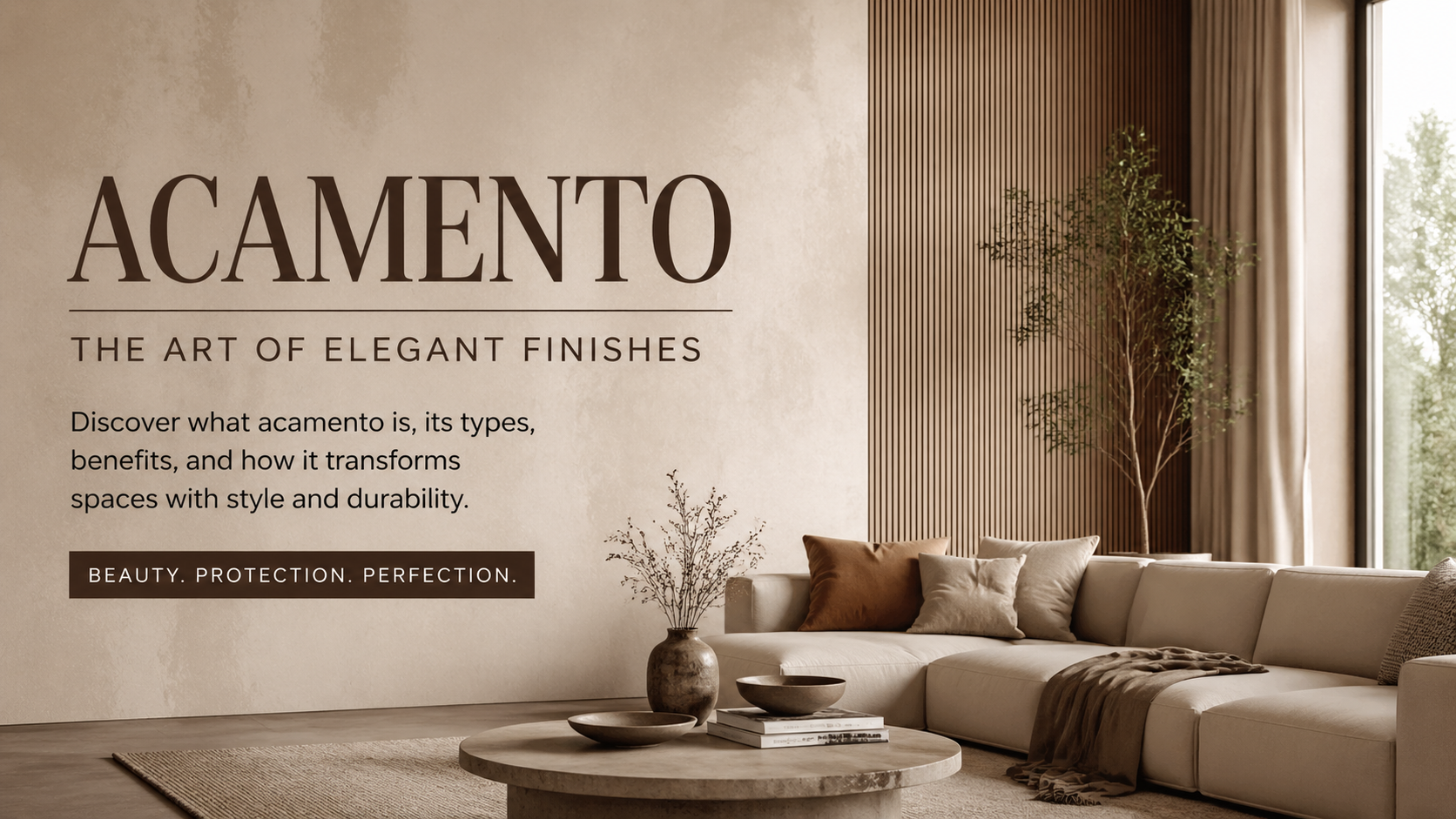
Let’s talk about something small, but honestly… surprisingly deep and meaningful.
Acamento.
At first glance, it’s just a word — maybe unfamiliar to many. But behind it lies a concept that touches everything we make, do, or share. From design and construction to writing, cooking, even life itself — acamento is the finishing touch that separates the okay from the wow.
You’ll hear this term described in different ways (some people even debate its modern use), but most sources agree on an essential idea: it’s about finishing something well.
So let’s unpack it, casually and clearly.
1. What Is Acamento?
In simple language — acamento is the act of perfecting something at the end.
It comes from the Portuguese term acabamento, which literally means finish or completion, especially in the sense of the final touches.
Acamento is:
- the moment you step back and say, “Is this truly done?”
- when you refine, polish, tweak, and adjust.
- what makes a product, building, article, or experience feel complete and intentional.
It’s not just about ending something — it’s about elevating it.
Why Acamento Is More Than Just a Finish
Maybe you think, “Sure, finishing matters.” But hold up — it matters a lot.
When we ship something with acamento — meaning we’ve put thought into final quality — people notice. They feel it even if they can’t explain why.
Here’s why it’s important:
- Quality stands out
A scratched surface or rough edge telegraphs a lack of care. Smooth, intentional finish tells people you respect your audience or users. - First impressions last
People judge instantly — finish often dictates that first impression. - Experience increases satisfaction
The touch, the visuals, the feel — all these contribute to how we use something, not just how it works.
In real life, finishing isn’t optional. If you make a chair, and its legs wobble… no one’s impressed. That wobble is a lack of acamento.
Simple Examples of Acamento in Everyday Life
Let’s break it down to stuff you see every day — or probably take for granted:
In Building & Design
- Final polishing on furniture
- Surface finishing on walls
- Trim and edge work that feels right
In Writing
- Editing punctuation
- Smoothing paragraphs
- Adjusting tone for readability
In Cooking
- Garnishing a dish
- Balance of color on the plate
- Final taste test before serving
The little things. The last half‑step. That’s acamento.
And sometimes it’s funny because we want perfection… but we just want better. And acamento delivers that. It’s not obsessed — just intentional.
Types of Acamento
It varies by field, but generally:
| Type of Acamento | Where It Applies | What It Affects |
|---|---|---|
| Surface Polish | Furniture, woodwork, floors | How it feels and looks |
| Functional Finish | Software, tools | Usability & performance |
| Cosmetic Touches | Art, fashion | Emotional appeal |
| Editorial Clean‑Up | Writing, articles | Clarity & flow |
This isn’t just aesthetic — it’s intentional.
The Four Core Principles of Acamento
Even though there’s no rigid rulebook, most acamento practices center on four priorities:
1. Mindfulness
Every small choice should matter. It’s not random decoration.
2. Precision
Small errors are noticeable — so we refine them.
3. Harmony
The whole piece should feel cohesive — not disjointed.
4. Purpose
Every finishing touch should support the overall goal.
So acamento isn’t about busy work — it’s work with purpose.
Real‑World Uses (Beyond Crafts)
Acamento isn’t limited to physical finishes. You’ll see it in:
✔ User interface design — crisp buttons, consistent colors
✔ Architecture — seamless edges, great proportions
✔ Branding — logo spacing, typography refinement
✔ Education — polished slides and clear visuals
See… it’s everywhere. And we often only notice when it’s missing.
A Quick Breakdown: Acabamento vs. Acamento
Some people point out a distinction:
- Acabamento – The original Portuguese term used in construction and manufacturing. Focused largely on physical surface finishes.
- Acamento – A more modern or conceptual adaptation that applies finish to any domain, including digital, design, and emotional experiences.
Basically: one is technical, the other is a broader philosophy.
Final Thoughts: Why You Might Care
Here’s the truth — we don’t usually write articles or build products for bare minimum quality. We want them to feel intentional, respected, and pleasurable.
That’s acamento.
And it’s the small finishing steps that often stick with us.
If you take nothing else from this — just remember: how you finish says as much as how you start.