 By Admin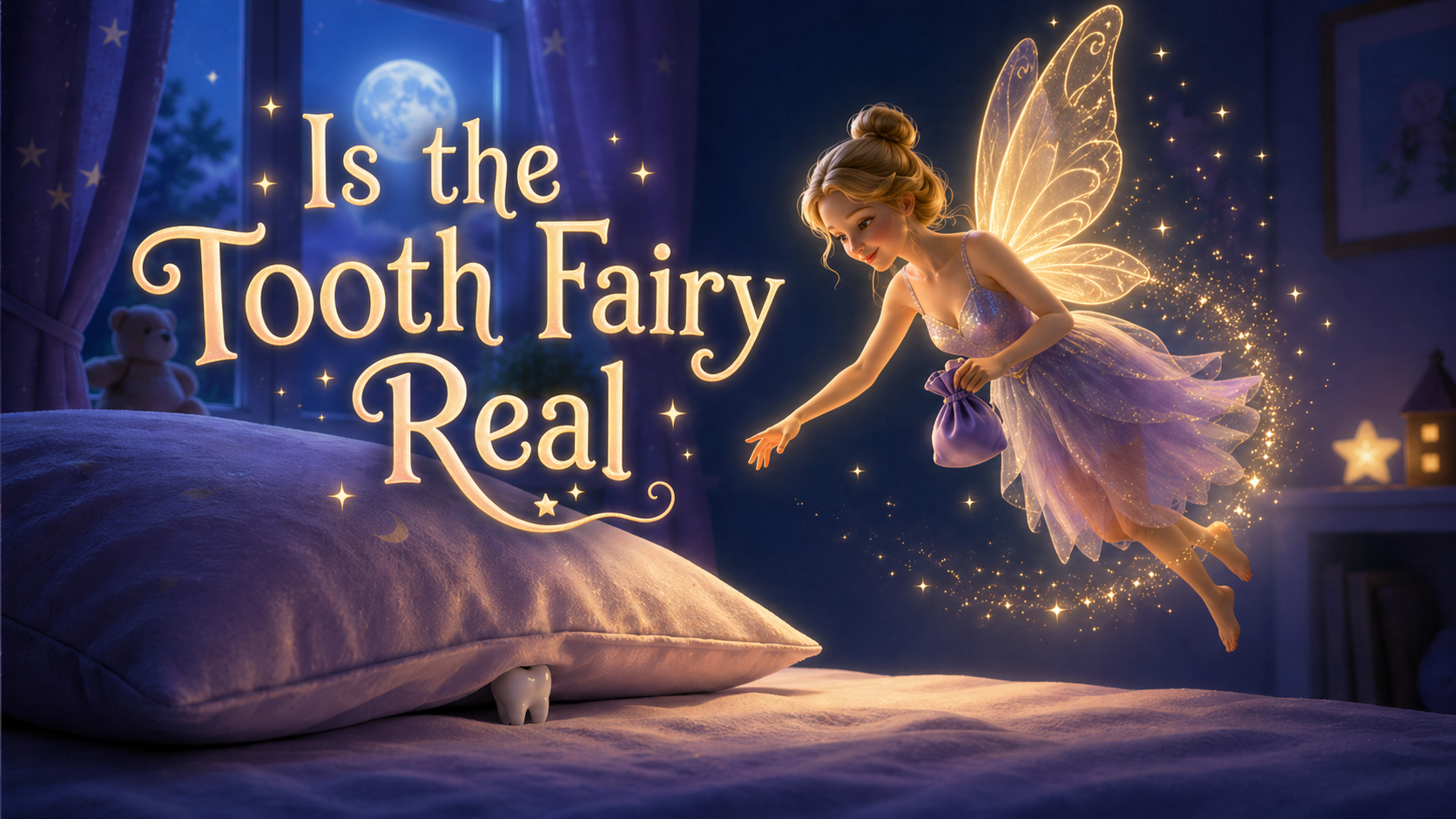
It’s one of those questions almost every child asks… usually at night, holding a tiny tooth in their hand, eyes wide with curiosity.
“Is the tooth fairy real?”
And honestly… the answer isn’t just yes or no. It’s a little more layered than that. A mix of imagination, tradition, history—and yeah, a bit of magic too (even if it’s not the kind with wings).
Let’s talk about it.
What Is the Tooth Fairy?
The tooth fairy is a well-known childhood tradition. The idea is simple:
- A child loses a baby tooth
- They place it under their pillow
- During the night, the “tooth fairy” takes the tooth
- And leaves a small gift or money in return
This tradition is common in many Western cultures and has spread around the world over time
But here’s the thing…
It’s not a real creature in the scientific sense.
So… Is the Tooth Fairy Real?
Let’s be honest.
- There is no scientific evidence that the tooth fairy exists
- Parents usually play the role secretly
- And children eventually figure it out
But—this is important—
That doesn’t mean the tooth fairy is “fake” in a useless way.
Because…
- The joy is real
- The memories are real
- The family bonding is real
So the better answer is:
👉 The tooth fairy is not real as a physical being…
👉 But the experience and meaning behind it are very real.
Why Do Kids Believe in the Tooth Fairy?
Kids don’t just randomly believe things. There’s actually a reason.
And it’s kind of beautiful.
Here’s why:
- Imagination is strong in early childhood
- Kids between ages 5–7 often mix fantasy with reality
- It helps them understand changes—like losing teeth
- It turns something scary into something exciting
Think about it…
Losing a tooth can feel weird or even painful.
But when there’s a reward involved?
Suddenly it becomes a moment of excitement.
A Quick Comparison: Real vs Myth
| Aspect | Reality | Myth / Story |
|---|---|---|
| Tooth fairy existence | No scientific proof | Magical fairy visits at night |
| Who leaves the money | Parents or guardians | Fairy with wings |
| Purpose | Comfort and fun | Magical exchange |
| Cultural value | Strong family tradition | Fantasy story for kids |
Where Did the Tooth Fairy Come From?
This part is actually fascinating.
The tooth fairy didn’t just appear out of nowhere.
It evolved over time:
- In medieval Europe, people buried or burned teeth to avoid bad luck or witches
- Some cultures believed rodents (like mice) would take teeth and give strong new ones
- In 1908, a newspaper in the U.S. mentioned the idea of a fairy exchanging teeth for money
- Over time… it became the modern tooth fairy we know today
So yeah—
It’s a mix of old beliefs, stories, and a little creativity from parents.
Why Parents Keep the Tradition Alive
Now here’s the real reason this continues…
It’s not about money. Not really.
It’s about moments.
Parents use the tooth fairy to:
- Make kids feel special
- Celebrate growing up
- Reduce fear of losing teeth
- Create happy childhood memories
- Encourage good dental habits
And sometimes…
Parents enjoy the magic just as much as kids do.
There’s even a recent opinion piece highlighting how these rituals help mark emotional milestones in childhood
What Do Kids Usually Get?
It’s not always money. That’s a common idea, but not the only one.
Common tooth fairy rewards:
- Coins or small cash
- Chocolates or sweets
- Tiny toys
- Notes from the “fairy”
- Stickers or small gifts
And interestingly…
- In some countries, kids get gifts from a mouse character instead of a fairy
So the idea changes depending on culture.
Pros and Cons of the Tooth Fairy Tradition
Let’s keep it real—there are both sides.
Benefits:
- Builds imagination
- Creates happy memories
- Helps children handle change
- Encourages dental care
- Strengthens parent-child bonding
Possible Downsides:
- Kids may feel confused when they learn the truth
- Some parents feel it involves “lying”
- Expectations (like money amount) can grow over time
Still… most families see it as a positive experience.
What Happens When Kids Find Out?
This part is interesting.
Kids usually figure it out around age 6 or 7.
And when they do?
- Some feel surprised
- Some feel proud (like they solved a mystery)
- Some even play along for younger siblings
And honestly… most don’t get upset.
Because by that time, they understand the idea behind it.
Should You Tell Kids the Truth?
There’s no one “right” answer here.
But here are a few smart approaches:
You can:
- Let them enjoy the magic while they believe
- Give simple, honest answers when they ask
- Turn it into a fun story instead of a strict “lie”
- Focus on the meaning—not the literal truth
Even dental experts suggest keeping the experience meaningful, whether or not kids believe in the fairy
A Thought That Stays With You…
Here’s something worth thinking about.
The tooth fairy isn’t really about a fairy.
It’s about:
- Growing up
- Letting go
- Celebrating small milestones
And maybe… just maybe…
It’s also about holding onto a little bit of childhood magic—for as long as possible.
Final Answer (Simple & Clear)
So, is the tooth fairy real?
- ❌ Not real as a magical creature
- ✅ Real as a tradition, memory, and experience
And sometimes…
That kind of “real” matters more.
FAQs
Is the tooth fairy real or fake?
The tooth fairy is a fictional character, but the tradition is real and meaningful.
At what age do kids stop believing?
Most children stop believing between ages 5 and 7.
Who invented the tooth fairy?
It developed over time from European traditions and was popularized in the early 1900s.
Why do parents do the tooth fairy tradition?
To create joy, reduce fear, and make childhood memorable.
What should I tell my child?
Keep it simple, gentle, and age-appropriate. Let them enjoy the magic while it lasts.